Understanding Patio Umbrellas: How to Choose the Right Patio Umbrella for Your Outdoor Space
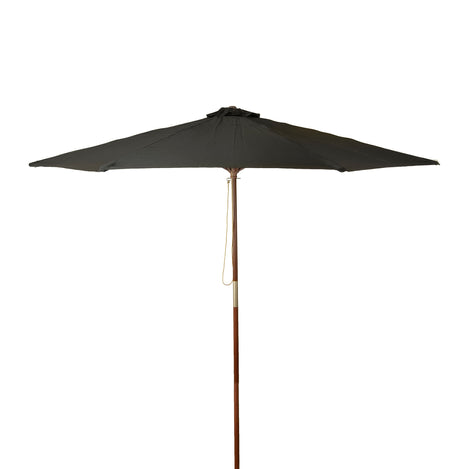
A carefully selected patio umbrella can completely change the comfort, look and functionality of an outdoor space. If you own a small balcony, a garden dining area, a poolside lounge or a commercial seating zone, the appropriate shading option helps protect people and furniture from strong sun exposure while creating a more inviting setting. Unlike permanent shade structures, outdoor umbrellas are flexible, practical and easy to adjust. You can use them as required, close them during poor weather, move them between areas and choose designs that match your furniture style. From a classic centre-pole umbrella to a bigger outdoor umbrella designed for bigger gatherings, the best option depends on size, material, canopy quality, lift system, tilt function and base support. Understanding these details makes it easier to select a shade product that looks good, performs well and lasts through many outdoor seasons.
What Is a Patio Umbrella?
A patio umbrella is an outdoor shade product designed to provide shade over dining sets, lounge areas or open spaces. Most designs include a central pole, a canopy, supporting ribs and a base or table fitting. Some are used through the centre hole of a dining table, while others stand independently with a heavier base. A quality external umbrella provides shade during sunny hours, helps lower surrounding temperature and prevents furniture from fading. It is especially useful because it can be adjusted or stored when not in use, making it suitable for homes, cafés, restaurants, resorts and leisure areas.
Main Types of Patio Umbrellas
The standard patio umbrella is one of the most common styles. It usually has a central support pole with a variety of canopy shapes. This type works well for dining tables, garden seating, poolside chairs and compact patios. A square canopy often suits modern furniture and rectangular layouts, while round and octagonal canopies offer a classic appearance. Some buyers prefer a timber-frame umbrella because it adds natural charm. Others choose aluminium frames because they are durable, corrosion-resistant and portable. Neither option is right for everyone; the best choice depends on climate, style preference and maintenance expectations.
Why the Right Umbrella Matters
A low-quality option may appear fine initially, but it can fade, wobble or become difficult to operate after limited use. A well-made patio umbrella gives better value because it improves comfort, increases outdoor usage and protects furniture. Shade makes outdoor meals, reading, conversations and relaxation more enjoyable, especially during hot daytime 9 ft patio umbrella hours. It also helps create a defined space, giving the patio a more polished look. For commercial areas, a reliable umbrella can improve guest comfort.
Choosing the Correct Size
Size is one of the most important decisions when selecting outdoor umbrellas. A canopy that is undersized will fail to provide full coverage, while one that is too large may look awkward or require a stronger base. A practical rule is to choose a canopy that extends around two feet beyond the edge of the seating area. A small table may need a smaller size, while a larger setup needs a bigger umbrella. A 9 ft patio umbrella is a common selection because it gives generous shade. For broader layouts, a large patio umbrella may be more suitable.
Frame Materials and Style
The frame affects both look and strength. A wood patio umbrella creates a classic outdoor style. Aluminium frames are lightweight and corrosion-resistant, making them useful for high-use areas. Some designs offer hybrid materials. When choosing a frame, think about how often it will be used and environmental conditions.
Canopy Fabric and Sun Protection
The canopy is the part that faces the most sunlight, so fabric quality matters. A strong canopy should be durable and UV-resistant. Tightly woven and solution-dyed fabrics often last longer. A good outdoor patio umbrella should also provide strong UV protection. Lighter colours enhance brightness, while darker shades hide marks better.
Lift and Tilt Features
Ease of operation is another key consideration. A crank-operated umbrella is popular because it is easy to operate. Smaller umbrellas may use push-up systems. A patio umbrella with tilt is especially useful because the sunlight shifts throughout the day. This feature helps maintain shade longer.
Ribs, Vents and Stability
The ribs hold the structure and play a major role in strength. Wood ribs give a traditional look, while fibreglass ribs handle wind better. A top vent allows air circulation, reducing pressure. Stability also depends on the base, which must match the umbrella size.
Matching the Umbrella to Your Outdoor Space
A good umbrella should blend with the overall design. For small spaces, a smaller umbrella works well. For dining areas, a centre-pole umbrella is practical. For lounges, a larger canopy may be better. Heininger patio umbrellas are often chosen by customers looking for design options. Focus on whether the overall build suit your needs.
Care and Maintenance Tips
Regular care can help a patio umbrella last longer. Always close it during strong wind. Clean the canopy with mild soap and water. Store it in a protected area when not in use. Checking key components regularly helps prevent issues.
Common Mistakes to Avoid
Many buyers choose a canopy that is undersized. Others use a base that is too light. Some ignore fabric quality. Another mistake is leaving the umbrella open in strong wind. A better approach is to match the umbrella to the space.
Conclusion
Choosing the right outdoor umbrella becomes much easier when you focus on key factors. Start by measuring the area, then choose a canopy that provides adequate coverage. Decide between different materials. Look for quality construction. A 9-foot umbrella or bigger umbrella may suit spacious areas, while smaller styles work for compact patios. With the right base and care, a quality umbrella can make outdoor living better and more enjoyable season after season.